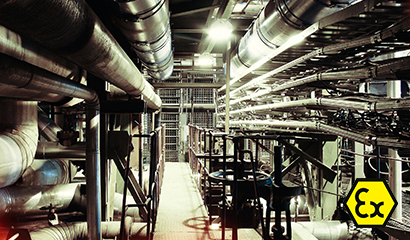
Yes, explosion proof lights certified for Zone 1 or Zone 2 under ATEX/IECEx can be used in Zone 2 areas. Zone 2 has a lower risk of explosive atmospheres, so luminaires with suitable protection concepts such as Ex nA, Ex ec, or higher-rated Ex d are commonly applied.
Explosion proof lighting should be selected based on hazardous area classification (Zone 0/1/2), gas or dust type, temperature class, and required protection concept (Ex d, Ex e, Ex n). Compliance with ATEX/IECEx standards and correct ingress protection ensures safe and reliable operation.
Explosion proof lighting is available in several types including LED luminaires, floodlights, high bay lights, and portable lights. Each type is designed for specific applications such as industrial plants, offshore platforms, and maintenance areas, while maintaining ATEX/IECEx compliance for hazardous environments.
LED explosion proof lighting offers higher energy efficiency, longer lifespan, and lower maintenance compared to traditional lighting such as metal halide or fluorescent. It also provides instant start, better shock resistance, and reduced heat output, while still meeting ATEX/IECEx safety requirements for hazardous areas.
Yes, explosion proof lights can be used outdoors if they are properly rated for both hazardous areas and environmental conditions. They typically feature high IP protection, corrosion-resistant housings, and ATEX/IECEx certification, making them suitable for offshore platforms, chemical plants, and other harsh outdoor environments.
The Temperature Class (T-rating) defines the maximum surface temperature of explosion proof lighting. For example, T1 is up to 450°C and T6 is up to 85°C. The selected rating must be lower than the ignition temperature of surrounding gases to ensure safe operation in hazardous areas.
Heat dissipation is critical for explosion proof LED fixtures, especially in high-ambient environments. Poor thermal management can accelerate LED degradation, reduce driver lifespan, and affect light output. Efficient heat sink design and correct temperature class selection help maintain performance and extend operating life.
LED explosion proof lights used in unstable power grids typically require integrated surge protection devices (SPDs) to protect drivers and electronic components from voltage spikes. Common protection levels range from 6kV to 10kV or higher, depending on installation environment, lightning exposure, and site electrical standards.
Explosion proof lighting refers to lighting fixtures designed to operate safely in hazardous areas where flammable gases, vapors, or dust may be present. The enclosure contains any internal explosion and prevents ignition of surrounding atmosphere, complying with Ex standards such as Ex d or Ex e.
Explosion proof lighting works by containing any internal ignition within a specially designed enclosure and preventing flames or hot gases from escaping. The housing is engineered to withstand internal pressure and cool escaping gases, ensuring the surrounding hazardous atmosphere cannot be ignited.
A light becomes explosion proof through a reinforced enclosure, sealed joints, and controlled flame paths that prevent ignition from escaping. It is tested and certified to Ex standards (such as Ex d or Ex e), ensuring safe operation in hazardous environments with gas or dust risks.
Explosion proof lighting is typically certified under ATEX (Europe), IECEx (international), and NEC (NFPA 70) hazardous locations requirements in the United States. These standards define safety for explosive atmospheres, including gas/dust classification, temperature limits, and construction requirements for safe operation.
ATEX and IECEx are both based on the IEC 60079 series standards for explosive atmospheres. ATEX is a mandatory EU directive, while IECEx is an international certification system. They share similar technical requirements but differ in certification process and regulatory acceptance.
Class 1 Division 1 explosion proof lighting is a North American classification under NEC for hazardous locations where flammable gases or vapors may be present continuously or frequently. The lighting is designed to prevent ignition by containing sparks or heat within a certified enclosure.
Zone 0, Zone 1, and Zone 2 are ATEX/IECEx hazardous area classifications for gas atmospheres. Zone 0 has continuous or long-term explosive presence, Zone 1 has occasional presence during normal operation, and Zone 2 has rare or short-term presence.
Zone 1 areas require explosion proof lighting certified for safe operation where explosive gas atmospheres may occur occasionally during normal operation. Typically, ATEX/IECEx Ex d or Ex e certified luminaires with appropriate gas group and temperature class ratings are used to ensure compliance and safety.
Explosion proof lighting is installed using certified enclosures, sealed cable glands, and proper grounding to maintain ATEX/IECEx compliance. Installation must be carried out by qualified personnel following hazardous area wiring regulations, ensuring correct zone rating, ingress protection, and secure mechanical mounting for safe operation.
Explosion proof LED lights typically have a lifespan of 50,000 to 100,000 operating hours, depending on design and operating conditions. Compared to traditional lighting, they require less maintenance, offer stable performance, and maintain reliable illumination in hazardous industrial environments.
Glass lenses are used in explosion proof lights because they offer higher temperature resistance, better chemical stability, and improved mechanical strength compared to standard plastic. Tempered glass also maintains optical clarity in harsh industrial environments and helps meet ATEX/IECEx safety and durability requirements.
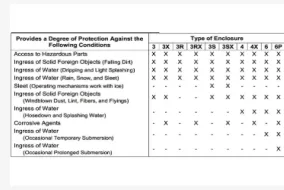
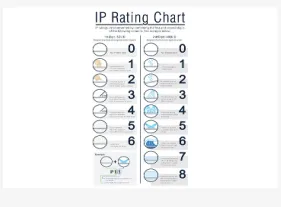
Yes, many explosion proof lighting fixtures are designed with high ingress protection ratings such as IP66 or NEMA 4X. These ratings indicate resistance to water jets, dust ingress, and corrosion, making the luminaires suitable for washdown areas and harsh industrial or offshore environments.
+86-18153889015
+86-15388016808